

Planning a winter wedding offers a rare opportunity to create an atmosphere that feels intimate, elegant, and unforgettable. While spring and summer weddings often dominate inspiration boards, winter celebrations carry a distinct charm that blends romance with seasonal beauty. Snow-dusted landscapes, candlelit receptions, and rich color palettes can elevate your event into something truly special. With thoughtful planning, a winter wedding can feel just as vibrant and seamless as any warm-weather affair.
One of the most important considerations is understanding how the season impacts every planning decision. Weather, daylight hours, and holiday schedules all influence timelines, logistics, and guest experience. Couples who plan proactively can avoid common pitfalls while leveraging winter’s unique advantages. From cost savings to increased vendor availability, there are practical reasons many couples intentionally choose a winter date.
Winter weddings also encourage creativity. The season naturally lends itself to cozy textures, dramatic lighting, and elevated decor choices that may feel out of place at other times of year. Faux fur wraps, velvet linens, metallic accents, and evergreen details can transform your venue into a refined winter retreat. These elements help create a visual story that feels intentional rather than seasonal by default.
Guest experience should remain central to your planning. Cold weather means guests will appreciate thoughtful touches like warm beverages, comfortable seating, and clear communication about attire and travel. A well-planned winter wedding anticipates these needs rather than reacting to them. When guests feel cared for, they remember the celebration for all the right reasons.
Timing is another critical factor. Winter days are shorter, which affects ceremony start times and photography schedules. Planning around natural light ensures your photos retain warmth and clarity. Coordinating ceremony and reception timing also helps guests move comfortably between events without unnecessary exposure to the elements.
Budget considerations often work in your favor during the winter months. Many vendors offer off-season pricing, and competition for dates is typically lower. This flexibility can allow you to allocate more resources toward personalization, upgrades, or guest comforts. Strategic budgeting helps elevate the overall experience without overspending.
Winter weddings also benefit from a built-in sense of occasion. The season already carries emotional weight through holidays, traditions, and reflection. A wedding during this time can feel especially meaningful, aligning your celebration with themes of togetherness and new beginnings. This emotional resonance often translates into a more memorable event.
Ultimately, planning a stunning winter wedding is about preparation and intention. With the right checklist, you can confidently navigate each decision while embracing the season’s unique strengths. The sections below walk through each major planning element, helping you build a celebration that feels cohesive, comfortable, and unforgettable.
Choosing the Venue
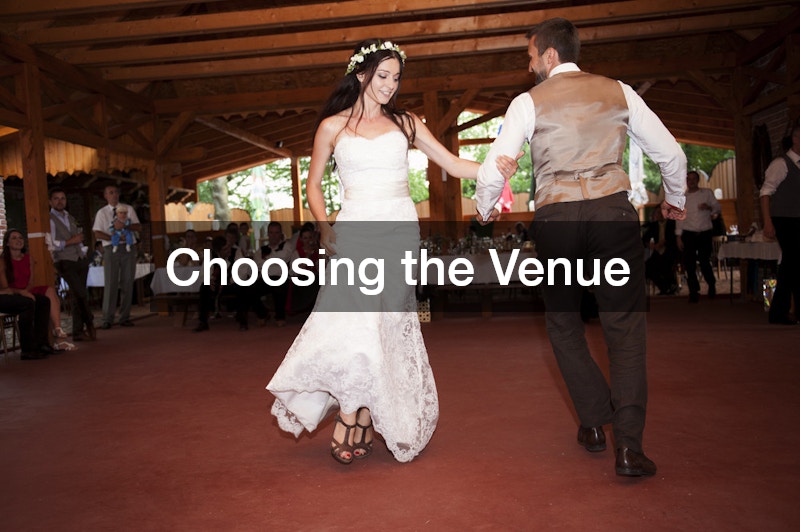
Selecting the right venue is foundational to your winter wedding plan. Seasonal conditions make indoor spaces especially appealing, but not all venues are equally suited for colder months. When evaluating venues, prioritize climate control, accessibility, and ambiance. A well-heated space with adequate lighting and parking will immediately set guests at ease.
Consider how the venue handles winter logistics. Ask about snow removal, coat storage, and backup power options. These practical details often go unnoticed until something goes wrong, so confirming them early protects your timeline and guest comfort. Venues experienced with winter events will already have systems in place.
Aesthetics matter just as much as logistics. Winter weddings benefit from architectural character, such as fireplaces, exposed beams, or large windows. These features enhance the seasonal mood without requiring excessive decor. Choosing venues with built-in charm allows you to decorate intentionally rather than compensate for a bland space.
Location also plays a role in guest attendance. Central or easily accessible venues reduce travel stress during unpredictable weather. If many guests are traveling, proximity to hotels and major roads becomes even more important. Convenience can directly impact turnout and overall satisfaction.
Finally, consider how flexible the venue is with timing and layout. Winter weddings may require earlier ceremonies or staggered arrivals. Venues that allow customization help you adapt to seasonal constraints while maintaining a smooth flow. The right venue supports your vision while minimizing winter-related challenges.
Considering a Banquet Hall
For couples seeking reliability and convenience, banquet halls remain a popular winter option. These spaces are designed to host events year-round, making them well-equipped for cold-weather celebrations. Many local banquet halls offer all-inclusive packages that simplify planning and reduce vendor coordination.
Banquet halls typically provide ample indoor space, eliminating the need for outdoor transitions. This is especially valuable in winter, when minimizing exposure to the elements improves guest comfort. Large entryways, coat rooms, and accessible restrooms are standard features that enhance the experience.
Another advantage is staffing and operational expertise. Banquet halls often employ experienced coordinators who understand seasonal challenges. Their familiarity with winter events helps ensure timelines stay on track, even if weather conditions change. This built-in support reduces stress for couples.
From a design perspective, banquet halls offer a neutral canvas. With strategic lighting, linens, and floral arrangements, these spaces can easily transform into elegant winter settings. Their adaptability allows you to align decor with your chosen theme, whether classic, modern, or rustic.
Ultimately, banquet halls provide peace of mind. Their infrastructure, staffing, and consistency make them a dependable choice for winter weddings. For couples prioritizing ease and comfort, this option balances practicality with style.
Customizing Your Engagement Ring

While wedding planning often focuses on the ceremony and reception, winter is also an ideal time to revisit personal details like your engagement ring. Custom engagement rings allow couples to create meaningful designs that reflect their story. The quieter winter season often provides more flexibility and attention from jewelers.
Customization offers control over materials, settings, and symbolism. Couples can incorporate birthstones, heirloom elements, or unique engravings. These thoughtful details add depth and personal significance to your ring. The result is a piece that feels intentional rather than off-the-shelf.
Winter timelines can also work in your favor. Many jewelers have increased availability during the off-season, allowing for more collaborative design processes. This can lead to better craftsmanship and a more satisfying experience overall. Planning early ensures your ring is ready well before wedding events begin.
From a practical standpoint, winter engagements often pair beautifully with rich metals and intricate designs. Platinum, yellow gold, and detailed settings complement the season’s aesthetic. These choices photograph beautifully against winter backdrops.
Customizing your ring during this phase of planning reinforces the personal nature of your celebration. It’s a reminder that every element, big or small, contributes to the story you’re telling together.
Renting a Limo
Transportation is a critical but often overlooked aspect of winter wedding planning. Cold weather and limited daylight make reliable transportation essential. Professional limousine services provide comfort, safety, and logistical efficiency on your wedding day.
Limousines offer controlled environments, protecting you and your wedding party from harsh weather. Heated interiors ensure everyone arrives comfortable and composed. This is especially important for preserving attire, hair, and makeup throughout the day.
From a scheduling perspective, professional drivers are experienced in navigating winter conditions. They account for traffic delays and road hazards, helping you stay on schedule. This reliability reduces stress during an already busy day.
Limousines also enhance the overall experience. They create a sense of occasion and provide private moments between events. These quiet transitions can be surprisingly meaningful amid the day’s excitement.
Investing in professional transportation ensures your wedding day flows smoothly. In winter, this level of planning isn’t just a luxury—it’s a practical necessity.
Choosing Flowers, Greenery, and Trees

Winter floral design relies on creativity and seasonal awareness. While some blooms are less available, greenery and textural elements take center stage. Tree nurseries are valuable partners for sourcing evergreens, branches, and natural accents that define winter decor.
Evergreen garlands, pine branches, and small trees bring warmth and structure to indoor spaces. These elements create a cohesive seasonal aesthetic without relying solely on flowers. They also tend to be more durable in cooler conditions.
Florists often combine winter blooms with greenery to create balanced arrangements. White roses, anemones, and ranunculus pair well with textured foliage. The contrast adds depth and visual interest.
Trees can also serve as statement pieces. Decorated evergreens or birch installations frame entrances and ceremony spaces beautifully. Sourcing these elements locally ensures freshness and sustainability.
By embracing seasonal materials, you create decor that feels intentional and authentic. Winter design is less about abundance and more about thoughtful composition.
Considering the Catering
Food plays a central role in guest comfort during a winter wedding. Hearty menus and warm beverages contribute to a welcoming atmosphere. Partnering with local catering services allows you to design a menu that aligns with the season and your preferences.
Winter menus often emphasize rich flavors and comforting dishes. Soups, roasted proteins, and seasonal vegetables resonate with guests seeking warmth. Caterers experienced with winter events can recommend dishes that hold well and serve efficiently.
Logistics matter as much as flavor. Confirm that caterers have experience managing food temperatures in cold conditions. Proper equipment and staffing ensure quality from kitchen to table.
Local caterers also bring regional flair. Incorporating familiar flavors creates a sense of place and connection. This subtle personalization enhances the guest experience.
Thoughtful catering choices turn a meal into a memorable part of your celebration. In winter, warmth and flavor go hand in hand.
Serving Italian Cuisine
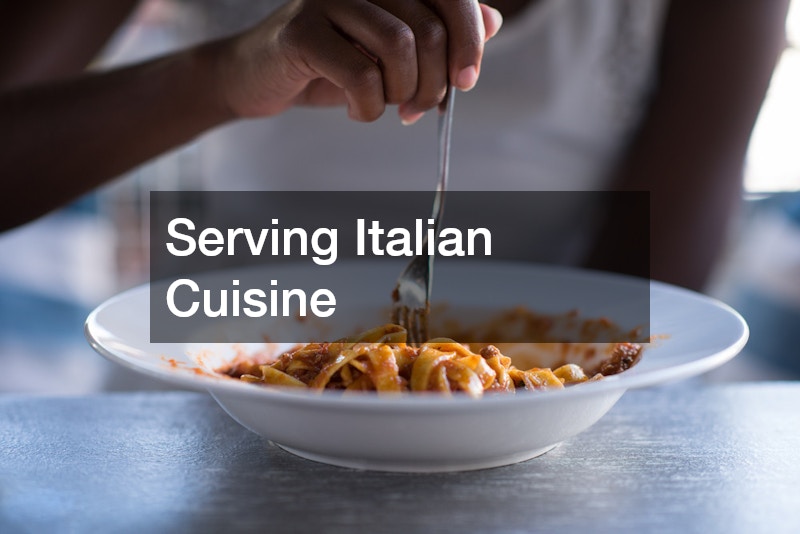
Italian cuisine is a natural fit for winter weddings. Its emphasis on comfort, richness, and shared dishes creates an inviting atmosphere. Partnering with local Italian restaurants can elevate your menu with authentic flavors and expertise.
Pasta, risotto, and braised meats perform well in cooler temperatures. These dishes maintain quality and appeal throughout service. Guests appreciate familiar favorites presented with care.
Italian menus also accommodate diverse dietary needs. Vegetarian options are plentiful, and courses can be customized easily. This flexibility simplifies planning while ensuring inclusivity.
Working with established restaurants ensures consistency and professionalism. Their kitchens are equipped to handle volume without sacrificing quality. This reliability is especially valuable during winter events.
Serving Italian cuisine adds warmth and generosity to your celebration. It’s a choice that resonates emotionally and practically.
Partnering With a Locally Owned Restaurant
Beyond cuisine, partnering with a local restaurant offers logistical and creative advantages. A local restaurant may provide catering, host pre-wedding events, or supply specialty items. These partnerships strengthen community ties and streamline coordination.
Local businesses often offer personalized service. Their investment in reputation drives attention to detail. This commitment translates into a smoother experience for couples.
Restaurants familiar with the area understand seasonal challenges. They plan for weather-related delays and adjust accordingly. This local knowledge reduces risk.
Supporting local businesses also aligns with sustainability values. Shorter supply chains and community engagement enhance your wedding’s impact.
These partnerships enrich your celebration while simplifying planning.
Creating Custom Signs
Clear communication is especially important at winter weddings. Custom signage guides guests efficiently and safely. Working with a local sign manufacturer ensures designs align with your aesthetic and withstand seasonal conditions.
Signs can direct parking, indicate coat check areas, or highlight schedule changes. In winter, clarity prevents confusion and discomfort. Durable materials ensure signs remain legible.
Customization allows you to match fonts, colors, and themes. This cohesion reinforces your overall design. Thoughtful signage feels intentional rather than utilitarian.
Local manufacturers offer faster turnaround and easier revisions. Their proximity simplifies collaboration. This efficiency is valuable during busy planning phases.
Well-designed signage enhances both function and style.
Choosing Stunning Decor
Winter decor benefits from depth, texture, and meaning. Incorporating unexpected elements like religious art restorations can add character and historical resonance. These pieces introduce craftsmanship and symbolism into your design.
Restored art, frames, or architectural details create focal points. They elevate spaces beyond typical wedding decor. This approach works particularly well in venues with traditional or historic features.
Mixing restored pieces with modern elements creates balance. The contrast feels intentional and curated. This layered approach adds sophistication.
Working with specialists ensures pieces are displayed safely and respectfully. Their expertise preserves integrity while enhancing presentation.
Thoughtful decor choices transform your venue into a meaningful environment.
Planning a Gorgeous Winter Wedding
Planning a winter wedding requires foresight, flexibility, and creativity. Each decision builds upon the last, creating a cohesive experience. When approached thoughtfully, the season becomes an asset rather than a challenge.
From venue selection to transportation, winter planning prioritizes comfort and reliability. These practical considerations protect your timeline and guest experience. Preparation reduces stress and enhances enjoyment.
Seasonal design choices bring warmth and elegance. Embracing winter elements creates a distinct atmosphere. This authenticity resonates with guests.
Food, decor, and partnerships add layers of meaning. Supporting local businesses and thoughtful vendors strengthens your celebration. These choices reflect values as well as style.
Clear communication ensures smooth execution. Signage, schedules, and planning anticipate winter realities. Guests feel informed and cared for.
Personal details, like custom rings and curated decor, reinforce your story. These elements connect the celebration to your relationship. They make the day uniquely yours.
Winter weddings also encourage intimacy. The season naturally draws people together. This closeness enhances emotional impact.
With a comprehensive checklist and intentional choices, your winter wedding can be stunning, seamless, and unforgettable.

